
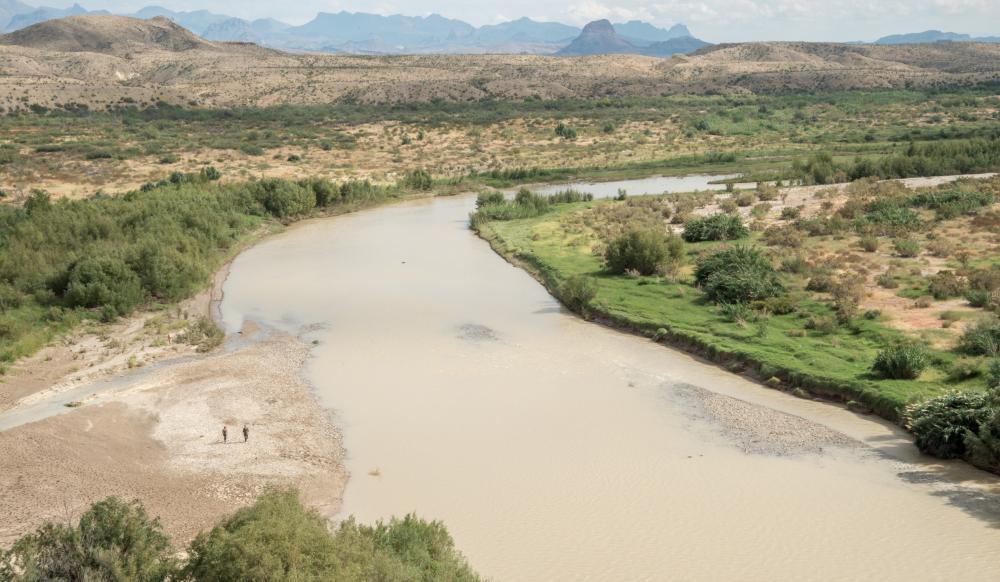
An Overview of the US Mexico Border Crisis
The US Mexico Border Crisis has been a focal point of political debates and media coverage for years. As a professional with over two decades of experience in national security, I have witnessed firsthand the numerous complexities surrounding this issue. Border security is intricately linked to national safety, impacting public health, economic stability, and human rights.
The current situation is unprecedented. Influxes of migrants are occurring alongside technological advancements in surveillance and border control. This combination presents unique challenges and opportunities for solving the crisis. Our organization, the BORDER911 Foundation Inc., emphasizes the need for a humane, efficient, and strategic response to border security issues.
Critical Aspects of the US Mexico Border Crisis
The US Mexico Border Crisis encompasses several critical issues, including the surge of illegal immigration, drug trafficking, and human rights violations. As an organization, we prioritize combating sex trafficking and the influx of narcotics, which result in significant fatalities among Americans. Both these issues are symptomatic of a larger systemic failure to secure borders and provide fair asylum processes.
Engaging in thorough investigations, we have identified operational inefficiencies and policy gaps that exacerbate the crisis. The US government must address these gaps by reforming immigration policies and investing in infrastructure that supports expedited asylum processing. A robust border security system is not just a barrier; it is a means to ensure safety and uphold human dignity.
Our experts, such as Tom Homan and Derek Maltz, often speak at public forums to highlight these challenges, urging policymakers to adopt evidence-based strategies that emphasize prevention, protection, and prosecution.
What Qualifies as a US Mexico Border Crisis Emergency?
An emergency occurs when the national security and public safety of the nation are significantly jeopardized by uncontrolled migration flows and increased criminal activity. These elements demand immediate and coordinated governmental intervention.
1. Escalating violence: Violence by criminal cartels and traffickers has surged at the border, leading to increased instability in surrounding areas.
2. Strained resources: Local and federal resources, including law enforcement and humanitarian aid, are often stretched beyond capacity, leading to a humanitarian emergency.
3. Public health threats: With a rise in migrant numbers, public health risks such as the spread of infectious diseases become a critical concern.
Personal Experiences with the US Mexico Border Crisis
During my years in border security, I have often found myself on the frontlines of the US Mexico Border Crisis. One incident that stands out involved a coordinated effort to intercept a major narcotics shipment. This operation highlighted the importance of inter-agency collaboration and the critical role of intelligence sharing in tackling border threats.
An anecdote that underscores the crisis’s human aspect occurred when I encountered a family fleeing violence. Their story of perseverance and hope for safety in the US was a powerful reminder of the human dimension to what is often reduced to political and statistical discourse.
- Human stories emphasize the need for humane border policies.
- Collaborative efforts are essential for effective border management.
- Real-time intelligence sharing enhances operational success.
Potential Solutions for the US Mexico Border Crisis
Addressing the US Mexico Border Crisis requires a multifaceted approach. First, there must be increased funding for border security infrastructure and personnel. This includes expanding the number of immigration judges and case managers to tackle the growing backlog of asylum claims.
Secondly, international collaboration with Mexico and Central American nations is crucial. Establishing joint initiatives can better manage migration flows and counter trafficking networks.
Finally, engaging the public and political leaders in transparent discussions about the real challenges and solutions at the border is imperative. The BORDER911 Foundation Inc. is committed to hosting town halls and investigative conferences to foster informed dialogue and empower citizens to advocate for effective policy change. By prioritizing these areas, we can progress toward resolving the US Mexico Border Crisis and ensuring a more secure and prosperous future for the nation.
Drug Seizure Statistics at the Border
As a seasoned expert with over 20 years in the field of border security, I have witnessed firsthand the critical importance of monitoring drug trafficking. The term Fentanyl Seized At Border has become increasingly common as law enforcement agencies grapple with the rise in fentanyl interceptions. These statistics are not mere numbers; they represent lives potentially saved. To provide a clearer picture, in 2023 alone, U.S. Customs and Border Protection reported several large-scale interceptions, highlighting the ongoing battle to secure our borders against narcotics trafficking.
Impact on Communities
The ripple effect of Fentanyl Seized At Border extends beyond the immediate statistics. Communities across America feel the impact, with the opioid crisis claiming thousands of lives annually. My work with the BORDER911 Foundation, Inc. aims to demonstrate how securing borders can significantly reduce the availability of illicit drugs, thereby decreasing overdose rates. By collaborating with local law enforcement and community leaders, we foster resilience and spread awareness about the dangers of fentanyl.
Moreover, the economic burden of the opioid crisis cannot be overlooked. Healthcare systems are stretched thin, rehabilitation centers are overwhelmed, and the loss of productivity affects the wider economy. Our initiatives provide communities with the tools to combat these challenges effectively.
How Are Fentanyl Seizures Conducted?
Fentanyl Seized At Border operations rely on a series of meticulous steps:
- Intelligence Gathering: Data from various sources, including informants, international partners, and technology, is collated.
- Risk Assessment: Analysts evaluate the likelihood of fentanyl transit across specific border points.
- Targeted Operations: Coordinated efforts are made to intercept suspect shipments using trained K9 units and advanced scanning technology.
- Seizure and Documentation: Once a narcotic is seized, it’s cataloged, and legal proceedings may be initiated.
This systematic approach is vital for effective enforcement and ensures that those involved in trafficking face justice.
The Vital Role of Border Security
At the BORDER911 Foundation, Inc., we emphasize that border security is integral to national security. The phrase Fentanyl Seized At Border is not just about intercepting drugs; it is about protecting American sovereignty and ensuring the safety of every citizen. By investing in robust border measures, we prevent dangerous substances from reaching our streets. Our efforts are reinforced by a team of experts in various fields, from national security to drug enforcement, all working towards a common goal.
The message is clear: a secure border diminishes the influx of illegal drugs, reduces crime, and enhances public health. We advocate for continuous improvement in border security protocols, informed by real-time data and expert analysis.
What Are the Effects of Fentanyl Seizures at the Border?
Fentanyl Seized At Border operations have immediate and long-term effects. Firstly, they significantly decrease the availability of the drug in local markets, which can lead to a temporary reduction in overdose cases. Community awareness campaigns complement these efforts, highlighting the dangers of opioid misuse.
Long-term, these operations contribute to a decline in organized crime activities. With reduced profits from drug trafficking, cartels find it harder to fund and sustain their operations. This indirectly leads to fewer violent incidents and a safer environment for citizens.
The Evolution of the United States Mexico Border Wall
Impact on Border Communities
How Does the Wall Fit into Broader Border Security Strategies?
- Technological Surveillance: Employing drones, motion sensors, and advanced cameras enhances monitoring capabilities.
- Collaboration with Local Law Enforcement: Strengthening partnerships helps in addressing cross-border crimes effectively.
- Intelligence Gathering: Sharing information with agencies helps anticipate and prevent potential threats.
The goal is to create a secure border environment without isolating communities, enhancing overall national safety.
What Qualifies as a United States Mexico Border Wall Emergency?
- Rapid response units
- Prepositioned materials for quick repairs
- Coordinated efforts between local and federal agencies
Addressing Common Concerns About the Border Wall
What are the primary challenges faced at the US-Mexico border, and how can they be mitigated?
In my years with BORDER911 Foundation Inc., I’ve seen the border crisis evolve, with challenges like illegal immigration, drug trafficking, and human rights concerns becoming more pronounced. Mitigating these issues requires a coordinated approach that involves reforming immigration policies, enhancing border security infrastructure, and fostering international collaboration. A humane, efficient response is crucial. At our organization, we emphasize the need for increased funding for border security personnel and infrastructure, as well as transparent public discussions to foster informed decision-making. How do you think international cooperation can further assist in managing these challenges?
Why is the phrase “Fentanyl Seized At Border” significant in the context of border security?
When we talk about “Fentanyl Seized At Border,” we’re highlighting more than just a law enforcement win; we’re talking about potential lives saved. At BORDER911 Foundation Inc., our experts have observed that these seizures not only reduce drug availability but also disrupt the operations of criminal networks. The impact on communities is profound; fewer drugs mean fewer overdoses and safer neighborhoods. However, the challenge remains significant due to evolving trafficking methods. How might technology further enhance the effectiveness of these border operations?
How do personal experiences and stories influence public perception of the US-Mexico border crisis?
Personal stories bring a human element to the border crisis. I recall a case where a family, fleeing violence, sought refuge in the U.S. Their story, like many others, transcends statistics, underscoring the complex realities of migration. These narratives influence public perception by providing a face to the policy debates. Our goal at BORDER911 Foundation Inc. is to ensure these stories are heard alongside the hard data, advocating for policies that balance security with compassion. What personal stories have you heard that shifted your perspective on this issue?
How does the border wall fit into the broader strategy of US-Mexico border security?
The border wall is often seen as a standalone solution, but it’s just one element of a comprehensive strategy that includes technological surveillance, intelligence sharing, and collaboration with local law enforcement. At BORDER911 Foundation Inc., we advocate for this integrated approach, emphasizing that while physical barriers can deter illegal crossings, they must be complemented by advanced technologies and international cooperation to be truly effective. How might these strategies evolve in the future to address emerging threats?
What potential solutions exist for the US-Mexico border crisis, and what impact could they have on border communities?
Addressing the border crisis effectively could profoundly impact both security and community well-being. Solutions include expanding personnel for faster asylum processing and engaging in joint initiatives with Mexico and Central American countries to manage migration and tackle trafficking networks. BORDER911 Foundation Inc. is committed to fostering dialogue around these solutions through events and public forums. These measures could provide relief to stretched local resources and enhance economic stability in border regions. What role do you think community engagement plays in supporting these solutions?
Resources
- U.S. Customs and Border Protection – Official website of the U.S. Customs and Border Protection agency providing information on border security and immigration enforcement.
- U.S. Department of Homeland Security – The official website of the U.S. Department of Homeland Security offering resources on national security and emergency management.
- United Nations Office on Drugs and Crime (UNODC) – The UNODC works to combat illicit drugs and international crime, providing data and resources on drug trafficking.
- U.S. Customs and Border Protection – Border Wall System – Information on the U.S.-Mexico Border Wall System and its role in border security strategies.
- Centers for Disease Control and Prevention (CDC) – The CDC offers information on public health threats related to border security and immigration.