
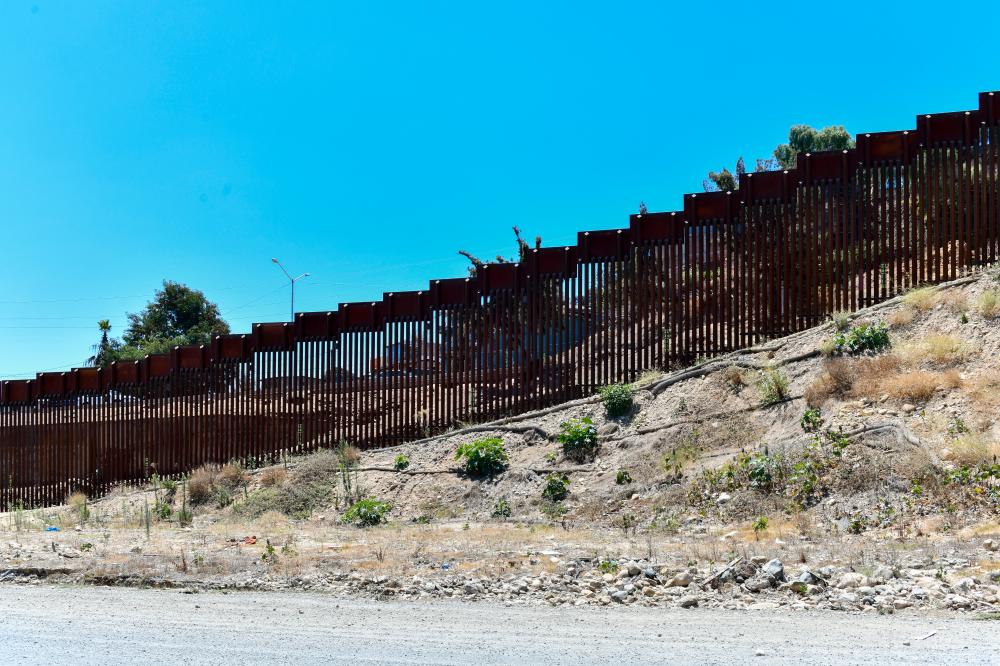
The Complexities of Border Security
As someone who has spent over two decades immersed in the intricacies of border security, the phrase “United States Mexico Border Wall” evokes a multitude of images and feelings. At the heart of the issue is the dual challenge of managing both physical and human elements along the 1,933-mile expanse. The notion of building a continuous barrier is met with both technical and logistical hurdles. While some areas boast robust fencing, others rely on natural barriers like the Rio Grande.
The BORDER911 Foundation, Inc. is increasingly concerned about these gaps that facilitate illegal crossings and become hotspots for criminal activities, including drug smuggling and human trafficking. Our experts point out that while infrastructure is crucial, it is the combination of technology, manpower, and intelligence that truly fortifies border security.
How Technology Enhances Border Security
The implementation of advanced technology is a game-changer in monitoring the United States Mexico Border Wall. High-tech solutions such as drones, aerostats, and surveillance towers provide a 24/7 view of the border, complementing the physical barriers. In my years with BORDER911 Foundation, Inc., I’ve seen firsthand how innovations like motion-sensor cameras significantly aid in detecting unauthorized crossings.
Despite their efficacy, these technologies are not foolproof. The BORDER911 Foundation, Inc. consistently emphasizes the importance of investing in research to develop more robust systems while integrating them with the knowledge and skills of experienced border patrol agents. Technology is but one piece of the puzzle that, when combined with human expertise, enhances national security.
Why is Cross-Border Collaboration Essential?
Effective cross-border collaboration remains a critical element in securing the United States Mexico Border Wall. Successful operations often require cooperation with Mexican authorities and local communities on both sides of the border. As someone deeply embedded in this field, I advocate for stronger diplomatic and operational ties with our neighbors to the south.
Collaboration fosters the exchange of vital intelligence and joint operations against transnational criminal organizations. Organizations like BORDER911 Foundation, Inc. play a pivotal role in facilitating dialogues and partnerships, thus ensuring a comprehensive approach to border security.
Dispelling Myths About the Border Wall
It is common to hear the United States Mexico Border Wall described as an impermeable barrier. In reality, the existing sections can be circumvented by determined individuals and organized crime groups. My experience with the BORDER911 Foundation, Inc. has taught me that public perception often oversimplifies the situation.
Various myths persist, including the belief that a wall alone can solve all border issues. In truth, the wall is part of an integrated security strategy. Emphasizing only the physical barrier misleads the public about the nuanced realities of border security, which encompass technological, legal, and diplomatic components.
What Drives the Debate Around the Border Wall?
The United States Mexico Border Wall remains a contentious topic, as stakeholders weigh in on its necessity and efficacy. From my vantage point at the BORDER911 Foundation, Inc., I observe that political, economic, and humanitarian considerations drive the discourse. While some argue that a secure border is essential for national safety, others focus on the humanitarian implications borne by migrants seeking refuge.
Balancing these views is challenging, yet crucial, as we navigate solutions that respect human dignity while ensuring national security. This ongoing debate encourages organizations like ours to strive for transparency and informed dialogue.

Statistics on Fentanyl Seized At Border
The term “Fentanyl Seized At Border” has become alarmingly frequent in reports from law enforcement agencies. As of recent data from the U.S. Customs and Border Protection, the quantity of fentanyl intercepted at our borders has surged to unprecedented levels. This sharp rise in fentanyl seizures highlights the ongoing battle against narcotics smuggling that threatens our national security.
In my two decades of experience working in border security, I’ve witnessed firsthand the evolving strategies of drug cartels. They constantly adapt to enforcement tactics, making it a challenging and ever-changing landscape for those of us dedicated to safeguarding our borders.
Impact of Fentanyl Seized At Border on Public Safety
The rampant increase in fentanyl seizures at the border raises serious concerns about public safety. Fentanyl, being up to 100 times more potent than morphine, presents a grave risk to communities across the country. The safer our borders, the lesser the risk of this lethal substance infiltrating our communities, leading to countless preventable fatalities from opioid overdoses.
- Rising overdose rates: The correlation between seized fentanyl and overdose statistics underscores the urgent need for effective prevention strategies.
- Increased healthcare burden: A higher incidence of opioid addiction strains healthcare resources, impacting community health services.
- Heightened public awareness: As more Americans recognize the dangers posed by fentanyl, there is an increased demand for educational campaigns.
How is Fentanyl Seized At Border?
Securing the border from fentanyl trafficking requires a multifaceted approach. Here are three key steps employed by border control agents:
- Enhanced surveillance: Utilizing advanced technology such as drones and ground sensors to detect illicit activities.
- Interagency cooperation: Coordinating efforts between local, national, and international law enforcement to disrupt distribution networks.
- Intelligence gathering: Engaging in proactive investigations to anticipate smuggling operations and intercept shipments before they reach domestic markets.
While these methods have proven effective, cartels continue to innovate, challenging enforcement agencies to stay ahead of the curve.
What Are the Challenges in Combating Fentanyl Seized At Border?
Addressing the issue of fentanyl being seized at the border involves overcoming numerous obstacles. Smugglers employ sophisticated techniques, exploiting vulnerabilities along the border. Moreover, limited resources and personnel shortages often hamper enforcement efforts, adding complexity to border management strategies.
In addition, the sheer volume of legitimate traffic and trade complicates the identification and interception of illicit drugs. Balancing the facilitation of lawful commerce with stringent security measures remains a delicate task for border agents.
Future Considerations for Fentanyl Seized At Border
As our nation continues to tackle the challenges posed by fentanyl seized at the border, policymakers must engage in a concerted effort to fortify border security. Implementing cutting-edge technologies, increasing human resources, and fostering international partnerships are essential steps.
Furthermore, public education campaigns focused on the dangers of fentanyl can equip citizens with the knowledge to avoid its pitfalls. By staying informed and proactive, we can mitigate the impact of fentanyl on our communities and work toward a safer, more secure society.
The Growing Challenges at the US Mexico Border
The US Mexico Border Crisis has become a pivotal concern for national security, evident from the alarming surge in illegal immigration, drug trafficking, and human trafficking. Having devoted more than 20 years to this field, I’ve seen firsthand how an unsecured border risks public safety and national sovereignty. It’s not merely a political issue but a matter of protecting American lives.
Through BORDER911 Foundation, we aim to educate the public about the multifaceted problems associated with an unsecured border. Our team comprises experts in border security, terrorism, and narcotics investigations, all of whom provide crucial insights from years of experience on the ground. The US Mexico Border Crisis is not just a geographical challenge but a test of our national integrity.
Can Policy Changes Resolve the Border Crisis?
To address the US Mexico Border Crisis, a comprehensive and informed approach is required. Here are three strategic policy recommendations:
- Strengthen Border Infrastructure: Investing in advanced surveillance and physical barriers can curb illegal cross-border activities.
- Enhance Interagency Collaboration: Coordinating efforts across federal, state, and local agencies will boost effective border management.
- Implement Robust Asylum Processes: Streamlining the asylum process with more officers and judges will aid in fairer and swifter adjudications.
These steps could transform chaos into control, ensuring our national security while respecting human rights.
Unseen Impacts of the Border Crisis
The US Mexico Border Crisis extends beyond immigration, impacting public health and safety. The influx of drugs has led to increased fatalities and addiction rates across the nation. As someone who has investigated narcotics and cartel operations, I’ve witnessed the devastating effects on American families and communities.
Moreover, this crisis is linked to a worrying rise in sex trafficking. Vulnerable women and children are trafficked, resulting in human rights violations that demand urgent attention. Our foundation works hard to highlight these atrocities, urging society and policymakers to take decisive action.
- Rising drug addiction
- Increase in human trafficking
- Public health emergencies
What Qualifies as a US Mexico Border Crisis Emergency?
In essence, a US Mexico Border Crisis emergency involves significant threats to national security through illegal immigration, drug trafficking, or human trafficking, requiring immediate intervention. Here are some key indicators:
- A sharp increase in illegal border crossings or asylum claims.
- Escalation in drug-related activities and fatalities.
- Significant rise in human trafficking cases.
Identifying these emergencies promptly enables effective response and enforcement actions.
Insights from the Front Lines
Reflecting on my experiences at the US Mexico Border, the interplay of existing laws and enforcement inefficiencies often exacerbates the crisis. During my tenure, I’ve seen promising strategies stifled by lack of resources and political will. Yet, stories of resilience and bravery remain, fueling our determination to advocate for meaningful change.
Border security is about more than fences and patrols; it’s about ensuring every law enforcement agent is empowered with the best tools and policies to protect our nation. The BORDER911 Foundation is committed to being a voice for those on the front lines, continually pushing for solutions that secure our borders today and for future generations.

What are the main challenges in constructing and maintaining the United States Mexico Border Wall?
The United States Mexico Border Wall presents a variety of challenges in both its construction and maintenance. These challenges include diverse geographical landscapes, such as the mountainous terrains and water bodies like the Rio Grande, which make building a uniform structure difficult. Additionally, logistical issues such as acquiring private land for construction and addressing environmental concerns further complicate the process. Maintenance also poses problems, from repairing damages caused by natural erosion or human interference to integrating advanced technologies for surveillance. The BORDER911 Foundation, Inc. emphasizes that addressing these challenges requires a balanced approach that combines physical infrastructure with technological and human resources.
How does technology enhance border security beyond physical walls?
Technology plays a vital role in enhancing border security, acting as a powerful tool alongside physical barriers. Advanced surveillance technology like drones, motion-sensor cameras, and aerostats provides a continuous view of border activities, allowing for real-time monitoring and quick response to potential threats. These technologies enable border agents to cover vast areas more efficiently and can often detect activities that might be missed with physical walls alone. As someone with years of experience in border security, I’ve seen the transformative impact technology can have when used strategically. However, it is crucial to continually invest in research and development to keep our systems ahead of the tactics used by those attempting to breach our borders.
Why is cross-border collaboration critical in securing the US-Mexico border?
Cross-border collaboration is essential for effective border security because it fosters the sharing of intelligence and joint efforts to combat transnational crime. By working closely with Mexican authorities and local communities on both sides of the border, we can disrupt criminal networks that operate across borders. This partnership approach leads to more successful enforcement actions and improves overall security. From my experience at the BORDER911 Foundation, Inc., promoting dialogue and cooperation with our neighbors is not only strategic but necessary for long-term security solutions.
What are some common misconceptions about the United States Mexico Border Wall?
One prevalent myth is that the border wall is an impenetrable barrier that independently solves all security issues. While the wall can deter casual illegal crossings, determined individuals or organized crime groups often find ways to circumvent it. Another misconception is that the wall alone ensures national safety. In reality, effective border security requires an integrated strategy involving technology, law enforcement, and diplomatic efforts. It’s important for the public to understand that the wall is a piece of a larger puzzle, and oversimplifying its role can lead to misguided policies and expectations.
What factors drive the debate around the United States Mexico Border Wall?
The debate around the border wall is driven by a mix of political, economic, and humanitarian factors. Politically, the wall is seen by some as a symbol of national security, while others view it as an ineffective or inhumane response to immigration. Economically, the cost of constructing and maintaining the wall is significant, influencing opinions on its feasibility and sustainability. Humanitarian concerns focus on the impacts on migrants seeking asylum and the potential for human rights violations. Balancing these factors requires informed dialogue and transparency, something that BORDER911 Foundation, Inc. works hard to promote through education and engagement.
What are the impacts of fentanyl seizures at the border on public safety?
Fentanyl seizures at the border significantly impact public safety by preventing this potent synthetic opioid from reaching communities across the country. Fentanyl is incredibly dangerous, with even small amounts capable of causing overdoses. The rise in seizures highlights the ongoing battle against narcotics smuggling and underscores the need for effective border security measures. It’s crucial to continue developing prevention strategies and raising public awareness about the dangers of fentanyl. At the BORDER911 Foundation, Inc., we focus on educating communities about these risks and advocating for policies that enhance border security to protect public health.
How is fentanyl seized at the border, and what are the challenges faced?
Fentanyl is seized at the border through a combination of advanced surveillance, interagency cooperation, and intelligence gathering. Border security agents use technologies like drones and ground sensors to monitor for illicit activities, while cooperation with local, national, and international agencies helps dismantle distribution networks. Challenges include the constantly evolving tactics of smugglers, who exploit vulnerabilities and adapt to enforcement methods. Additionally, limited resources and the vast volume of legitimate trade present obstacles in effectively intercepting illegal drugs. Continued innovation and collaboration are crucial to staying ahead of these challenges.
What qualifies as a US Mexico border crisis emergency?
A US Mexico border crisis emergency involves significant threats to national security due to illegal immigration, drug trafficking, or human trafficking, warranting immediate intervention. Indicators of such a crisis include a surge in illegal crossings, increased drug-related activities, and rising human trafficking cases. Identifying these emergencies promptly is essential for effective response and enforcement actions. At the BORDER911 Foundation, Inc., we strive to shed light on these issues and advocate for swift and informed responses to protect national security and uphold human rights.
Resources
- U.S. Customs and Border Protection – Official website of the U.S. Customs and Border Protection, responsible for safeguarding America’s borders and facilitating lawful international trade and travel.
- Department of Homeland Security (DHS) – The Department of Homeland Security’s official website, focusing on national security and public safety, including border security initiatives.
- U.S. Department of State – The U.S. Department of State’s homepage, providing insights into foreign policy, diplomacy, and international cooperation related to border issues.
- Centers for Disease Control and Prevention (CDC) – The CDC’s official website, offering information on public health concerns related to border security and immigration.
- United Nations Office on Drugs and Crime (UNODC) – The UNODC’s website, focusing on combating illicit drugs and transnational organized crime that often intersect with border security challenges.